When to Hold, When to Fold: The Real Logic Behind What Stays on My Shelves
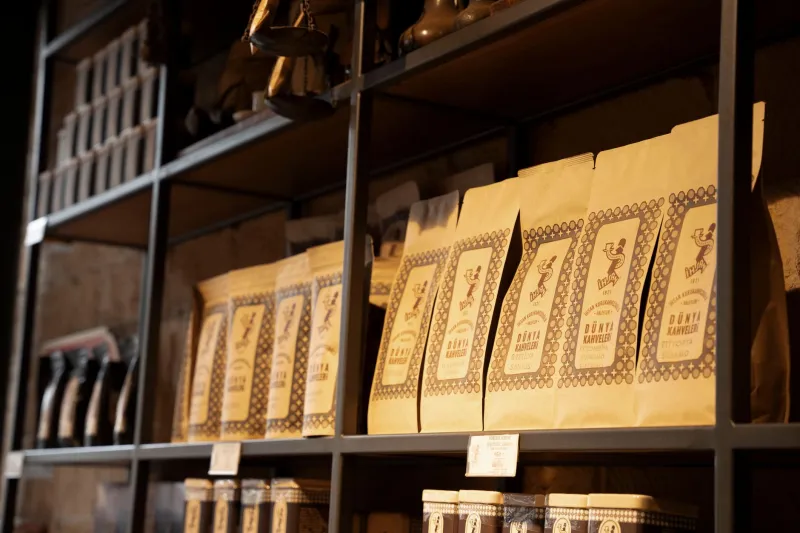
There's a moment every curator knows but rarely talks about. You're looking at something that used to feel exciting — maybe it was one of the first products you ever stocked, maybe it helped put your shop on the map — and now it just... sits there. It doesn't embarrass you. It doesn't underperform exactly. It just doesn't spark the way it used to.
That moment is the test. And how you respond to it says a lot about what kind of shop you're actually running.
At Donald Garcia Shop, I think about product rotation constantly. Not in a restless, always-chasing-the-new-thing way — more like a slow, ongoing conversation I'm having with my own inventory. What's earning its place? What's coasting? And what genuinely deserves to be here for the long haul?
Here's how I actually work through it.
The Difference Between a Classic and a Placeholder
Some products are classics. They hold up across seasons, they keep finding new audiences, and every time someone new discovers them, it feels like the first time. These are the ones I'd fight for. They're not just products — they're part of the shop's identity.
Then there are placeholders. These are the products that filled a gap at some point, maybe when I was still figuring out a category or needed something to round out a collection. They served a purpose. But purpose and permanence aren't the same thing.
The honest question I ask myself: If I were building this shop from scratch today, would I choose this? If the answer is a quick yes, it stays. If I have to talk myself into it, that hesitation is information.
What the Numbers Tell Me (And What They Don't)
Sales data matters. I'm not going to pretend otherwise. If something isn't moving, that's worth paying attention to. But I've learned not to let the numbers make the whole decision for me.
Some products sell slowly because they're genuinely niche — they're meant for a specific kind of customer who doesn't come around every week. A low sales volume on something like that doesn't mean it's failing. It means it's doing exactly what it's supposed to do for a smaller, more intentional audience. Retiring it just because it isn't a bestseller would be a mistake.
On the flip side, I've had products that sold just fine but quietly diluted what the shop stood for. They were popular-ish, but they were pulling the shop in a direction I didn't actually want to go. High traffic to the wrong destination isn't a win.
So I look at the numbers, but I also look at the context around the numbers. Who's buying it? Are those the customers I want to be serving? Does this product bring in the kind of conversation and engagement that feels right for this brand?
The Loyalty Trap
This is the part I have to be careful about: getting too attached.
It's easy to hold onto something past its expiration date because it has sentimental value to me. Maybe it was one of the first things I ever curated with real confidence. Maybe a customer I really respect told me it was their favorite. That kind of history creates a pull that has nothing to do with whether the product still belongs here.
Loyalty to your origins is healthy. Loyalty to a specific product at the expense of the shop's evolution — that's where it gets tricky. The shop has to keep growing, and sometimes growth means letting go of things that feel safe.
I've started thinking about it less as "retiring" something and more as graduating it. It did its job. It helped shape what this shop became. And now the shop is ready for something that fits where it's headed next.
When Something New Earns a Spot
Bringing in something fresh isn't just about chasing trends. I'm genuinely not interested in stocking whatever's blowing up on social media this week if it doesn't fit the shop's point of view. But I do stay curious, and I do keep my eyes open.
When I come across something that makes me stop — not just because it's interesting, but because it belongs here — that's the signal I pay attention to. It's a gut reaction, but it's an informed one. Years of curating train you to recognize fit pretty quickly.
The real question isn't just "is this good?" It's "does this make the shop better?" Does it fill a gap, sharpen a category, or bring in a dimension that was missing? If yes, it earns a trial run. If it connects with the audience the way I expected, it earns a permanent spot.
The Rotation Rhythm
I don't run on a strict schedule — no "quarterly refresh" calendar that I follow religiously. But I do check in with the full inventory a few times a year with fresh eyes. I try to look at it the way a first-time visitor would. What stands out? What feels dated? What makes me genuinely proud to have on here?
That outside-in perspective is harder to maintain than it sounds. When you're deep in the day-to-day of running a shop, you stop seeing what's actually there. Stepping back — even briefly — resets that.
I'll also pay attention to what customers are asking for that I don't currently carry. Sometimes a gap in the lineup is obvious once someone names it out loud. That's not just feedback; that's direction.
Keeping the Shop Honest
At the end of the day, rotating inventory isn't really about products. It's about keeping the shop honest — making sure what's here reflects who I am now and what I actually believe in now, not just who I was when I started.
A curated shop that never changes isn't curated. It's just a static collection. The whole point of curation is that it's alive — that it responds to new information, new discoveries, and a constantly sharpening sense of what's worth recommending.
So yes, some things will get retired. Some things will earn a permanent place. And some things I'll bring in on a trial basis and discover I was wrong about — which is fine. Being willing to be wrong is part of how you stay good at this.
The shelf is always a work in progress. That's not a flaw in the system. That's the whole point.